
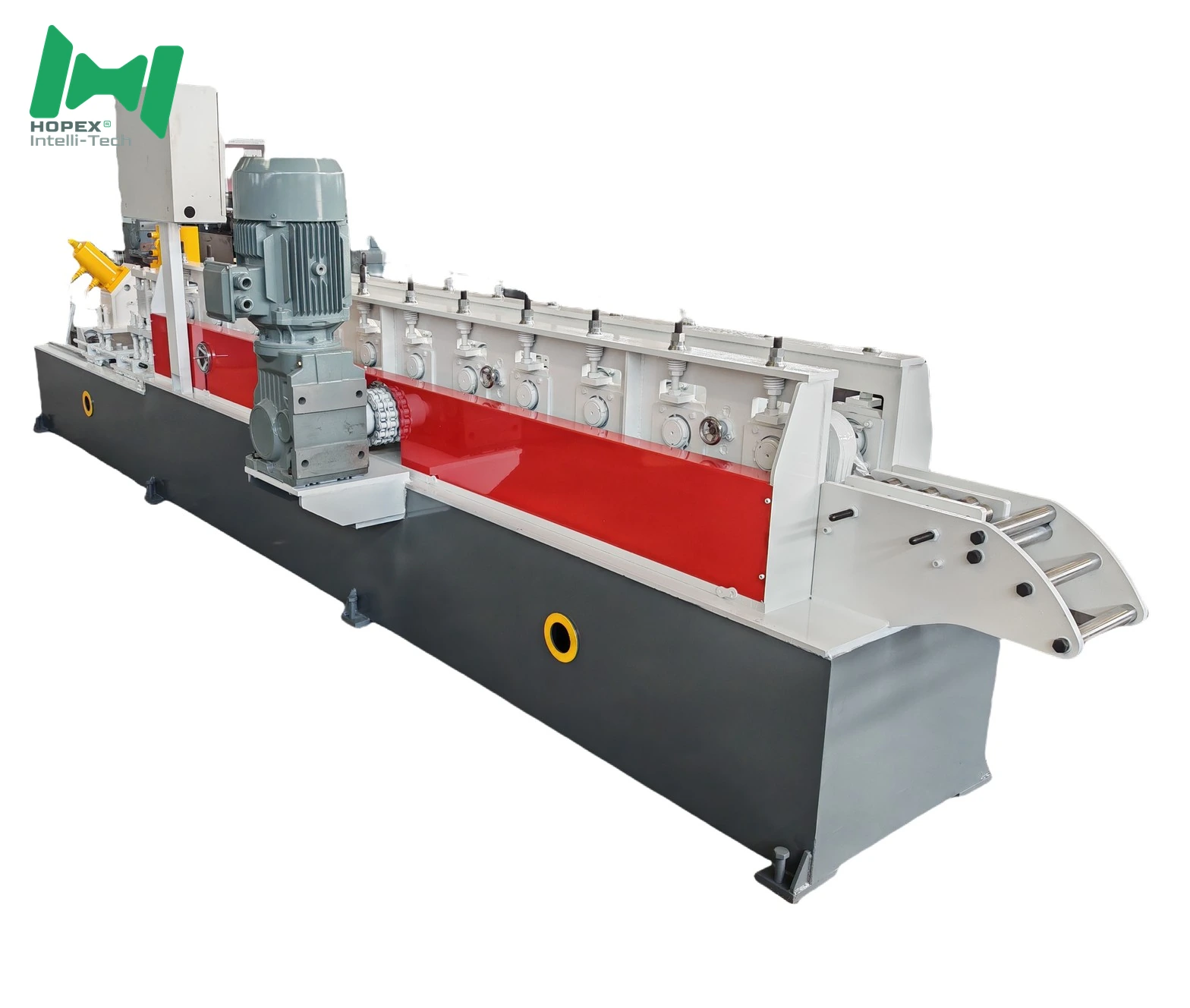
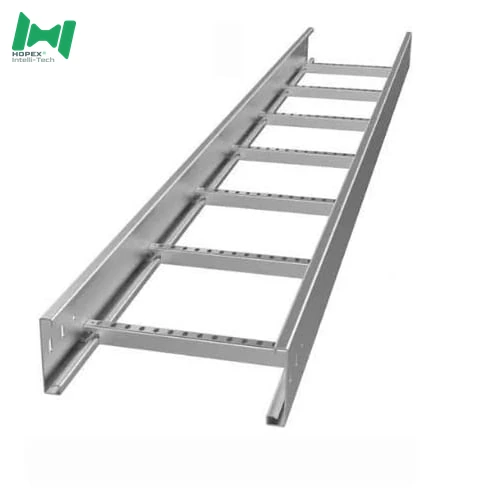
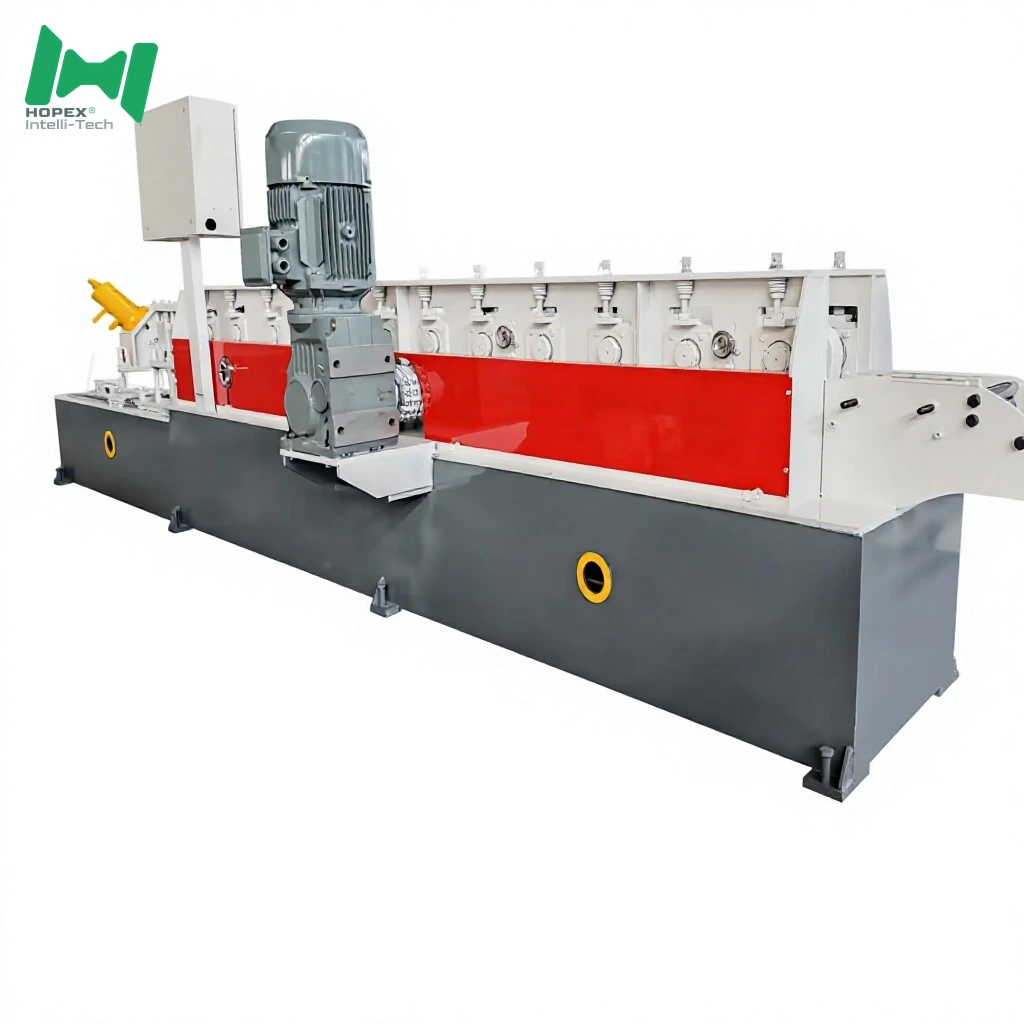
Cable Ladder Rung Machine 40x20mm
Dedicated cable ladder rung machine producing 40 × 20 mm cable ladder rungs from 0.8–2.5 mm cold-rolled, hot-rolled or galvanized coil, at up to one finished rung per second. Combines a 2-tonne passive decoiler, 12-pass mill on a φ70 mm shaft, inline punching and hydraulic cut-off — all inside a compact 15 × 1.5 × 1.6 m footprint drawing just 17 kW. Pair with a matching ladder side rail machine (100–300 mm) to form a complete two-line ladder tray production cell.
Looking for a cable ladder rung machine to pair with your side-rail line and complete a full ladder tray production cell? This 40×20 mm rung former is engineered to do exactly that — churn out finished, punched, cut-to-length rungs at up to one rung per second while your rail line runs in parallel. Moreover, at just 15 metres long and 17 kW installed, it slots beside an existing rail machine without demanding a new bay or a new supply drop.
The line handles 0.8–2.5 mm cold-rolled, hot-rolled or galvanized coil on a compact 12-pass mill with a φ70 mm shaft and an 11 kW main drive. Furthermore, an oversized 5.5 kW × 2 hydraulic station and 300 L oil tank stand behind the inline punch and shear. In short, it is a purpose-built profile mill — not a general roll former asked to do a special job.
Rung + Rail = One Ladder Tray Production Cell
A cable ladder tray is two side rails plus a series of rungs welded or bolted between them. Consequently, producing one economically means running two machines in parallel: a side rail line and a rung line. This cable ladder rung machine is designed as the rung half of that cell.
Furthermore, both machines share the same electrical infrastructure (380 V · 50 Hz · 3-phase) and identical brand ecosystem for spare parts. As a result, one operator with basic training can supervise both lines during a shift.
Cable Ladder Rung Machine at a Glance
What “One Rung Per Second” Actually Means
The line runs at 10–20 m/min. Additionally, a typical cable ladder rung is around 300–400 mm long (matching a 300 mm base tray width). Consequently, the arithmetic works out to:
- 20 m/min ÷ 0.33 m per rung ≈ 60 rungs per minute
- Or roughly one finished rung per second
Furthermore, at this pace one rung line comfortably supplies rungs for two parallel side-rail lines working full-shift — so the rung machine is rarely the throughput bottleneck in a ladder tray production cell.
Why Hot-Rolled Compatibility Matters for Ladder Rungs
Rungs carry the full downward cable load between the two side rails. Therefore, rung steel spec is often heavier than tray-panel steel — and industrial ladder installations routinely call for 1.5–2.5 mm hot-rolled rungs rather than cold-rolled.
This cable ladder rung machine accepts hot-rolled coil in the same 0.8–2.5 mm gauge band as cold-rolled and galvanized. As a result, factories serving petrochem, tunnel, MV or heavy-industrial buyers can source raw coil in the grade the tender actually specifies — instead of substituting cold-rolled at a spec mismatch.
Three components on this line make hot-rolled work:
- 12-pass mill — enough stations to work-harden hot-rolled without stress marks
- φ70 mm shaft — carries hot-rolled load without deflection at 2.5 mm
- 11 kW main motor — torque headroom for the harder surface
Full Line Walk-Through
The process reads left to right in six stations:
Passive decoiler → Infeed guide → 12-pass forming mill → Inline punching → Hydraulic cut-off → Discharge
1. Passive Decoiler — 2-Tonne
A simple 2-tonne passive mandrel carries the 78–80 mm narrow strip coil. Because the strip is narrow and the line runs at speed, powered payoff is unnecessary — the mill draws strip under its own tension.
2. Infeed Guide
A short guide station keeps the strip on centreline before it enters the mill. Additionally, guide adjustment is manual — small strip width means no automation is needed here.
3. Roll Forming Mill — 12 Passes
Twelve forming passes on a φ70 mm shaft progressively raise the 20 mm walls and set the 40 mm base geometry. The 11 kW main motor drives the chain; forming rollers are Cr12 tool steel. Consequently, the mill produces a clean, dimensionally repeatable rung profile across the full 0.8–2.5 mm gauge range.
4. Inline Punching
A punch station downstream of the mill stamps the rung’s mounting holes at customer-defined pitch. Furthermore, the die is swappable — different hole patterns for different rail-fixing conventions (bolt, weld, clip) mean a die change, not a line change.
5. Hydraulic Cut-Off
A hydraulic shear cuts each rung to programmed length. Notably, the 2 × 5.5 kW hydraulic station with a 300 L oil tank holds pressure across full-shift running — no thermal drift on cut length even at 20 m/min.
6. Discharge
Finished rungs discharge onto a short receiving surface for bundling or transfer to the welding cell.
Where the Cable Ladder Rung Machine Fits Best
Because it is single-profile and compact, this line suits three buyer profiles:
Additionally, its 15-metre footprint means it fits in a bay already tight with other production equipment.
Component Brands for the Cable Ladder Rung Machine
Named parts. Consequently, spares are locally sourceable worldwide.
Note: brands listed cover main equipment. Auxiliary parts may vary by production batch; substitutions are disclosed at order confirmation.
Compact Rung Line vs. General Roll Former
If you are choosing between this dedicated rung machine and a general-purpose small-profile line, here is the practical split:
In other words, if you are producing ladder trays as a catalogue product, this dedicated line beats a general former on setup time, power draw, floor space and rung-to-rung consistency.
Common Questions
Is this cable ladder rung machine a full ladder tray line?
No — it is the rung half of a two-machine production cell. Furthermore, the other half is a ladder side rail machine that forms the two U-profile rails. Both lines run in parallel to complete a full cable ladder tray.
What length rungs can it produce?
100 to 6000 mm. Consequently, one line can serve everything from micro trays (100 mm base × 100 mm rung) up to wide industrial trays with 600 mm-plus rungs — no changeover needed.
What steel does it run?
Cold-rolled, hot-rolled, and galvanized strip from 0.8 to 2.5 mm thick, in 78–80 mm width. Additionally, hot-rolled compatibility is what unlocks 1.5–2.5 mm industrial-grade rungs for tunnel, MV and petrochem tray work.
How fast is actual production?
10–20 m/min line speed translates to roughly one 300 mm rung per second at 20 m/min. Furthermore, at this pace the rung line typically outpaces two parallel rail lines, so it is rarely the throughput bottleneck.
Can the punch hole pattern be changed?
Yes. The pattern lives entirely in the swappable die. Consequently, changing hole pitch, count or shape means a die change — not a line change.
What is the total footprint and power draw?
15 m long × 1.5 m wide × 1.6 m high, drawing approximately 17 kW installed on 380 V / 50 Hz / 3-phase. In addition, the dedicated hydraulic station is 2 × 5.5 kW with a 300 L oil tank.
Why 12 forming passes on a 40×20 mm profile?
Twelve passes is what a 20 mm vertical wall on 2.5 mm strip needs to roll cleanly without stress marks. Furthermore, cutting stations short would show up as edge waviness on the 2.5 mm hot-rolled end of the range.
Is the decoiler powered?
No — passive 2-tonne mandrel. Because 78–80 mm narrow coil is light and the mill runs at speed, powered payoff is unnecessary. The mill pulls the strip under its own driving force.
Bottom Line
If your factory produces cable ladder trays and you currently outsource the rungs — or run them on a general roll former that eats setup time — this dedicated 40×20 mm cable ladder rung machine is the piece to add. It brings rung production in-house on a 15-metre footprint, at 17 kW installed, across 0.8–2.5 mm cold-rolled, hot-rolled or galvanized coil, at up to one finished rung per second.
Pair it with a ladder side rail machine to form a complete two-line ladder tray production cell — sharing the same 380 V infrastructure, the same brand ecosystem for spares, and the same operator skill base.
For die-pattern drawings, hot-rolled sample runs, or a walk-through of pairing this rung line with a matching side-rail machine, contact our project team with your target rung length, hole pitch, steel grade and monthly output. Then we configure the die, guide and cut-off to your production plan.